Understanding the Gut-Brain Connection and Probiotics for Anxiety
The gut-brain relationship demonstrates a complex interplay between gut health and emotional health. Emerging research suggests that the gut microbiome substantially affects psychological balance and anxiety. Probiotics, known for their role in intestinal balance, may offer a pathway to improved mental states. Understanding how these microorganisms influence emotional regulation could offer valuable insights into managing anxiety. What specific mechanisms link intestinal health to anxiety relief? The answer may surprise many.
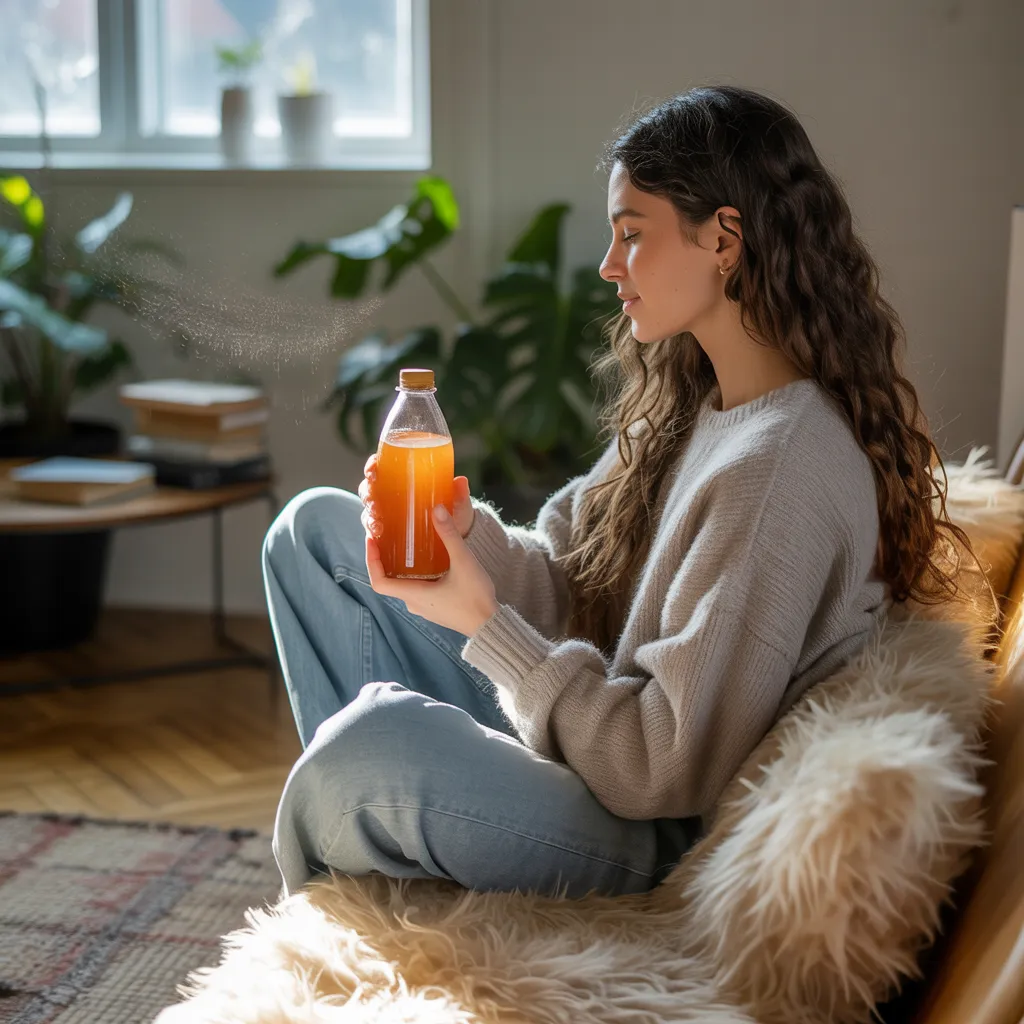
What Should You Know About the Gut-Brain Connection?
What exactly links the gut and the brain? The gut-brain connection is a elaborate communication network consisting of the central nervous system, the enteric nervous system, and the gut microbiota. This sophisticated relationship allows the brain to influence gut function and vice versa. Signals transmit through pathways such as the vagus nerve, which is a key conduit between the two systems.
Moreover, neurotransmitters that are produced in the gut, like serotonin, serve a crucial function in emotional regulation and total mental health. The gut microbiome, made up of trillions of bacteria, influences this connection by creating metabolites that can alter brain function. Modifications to gut flora can bring about affected mood and cognitive functions, highlighting the critical nature of gut health. Via these multiple channels, the gut and brain constantly interact, establishing a dynamic relationship that shapes both physical and psychological health.
The Connection Between Gut Health and Mental Well-Being
The relationship between gut health and mental well-being is more and more recognized as an essential component of overall health. Research shows that the gut microbiome, the community of microorganisms dwelling in the digestive tract, plays a significant role in regulating mood and emotional responses. A balanced gut microbiome can produce neurotransmitters, such as serotonin, which are essential for mood stability. On the other hand, an imbalance in gut flora may result in increased inflammation and the production of stress hormones, leading to anxiety and depression.
Furthermore, the gut-brain axis, a signaling network between the gastrointestinal system and the brain, indicates that gut health impacts cognitive functions and emotional regulation. Those with gastrointestinal disorders often exhibit higher rates of anxiety and depression, underscoring the need of maintaining gut health for mental health. As a result, a holistic approach to health should consider the essential relationship between the gut and mental state.
How Probiotics Impact Mental Well-Being
While lots of people connect probiotics chiefly with gastrointestinal health, their impact on mental well-being is receiving notable attention. Research indicates that the gut microbiome has a vital role in shaping mood and emotional health. Probiotics, which are helpful bacteria, can aid in regulating gut microbiota, possibly leading to benefits in mental states such as anxiety and depression.
The gut-brain axis functions as a communication pathway between the intestines and the brain, implying that gut health directly impacts psychological health. Probiotics may stimulate the production of neurotransmitters like serotonin, which is crucial for mood regulation. In addition, they can regulate inflammation and stress responses, both of which are linked to mental health disorders.
As ongoing studies delve into these associations, the importance of including probiotics into daily routines becomes ever more obvious for those looking to improve their overall mental well-being.
How Can Probiotics Help Reduce Anxiety Symptoms?
Research indicates that the gut microbiome serves a crucial function in regulating mood and emotional health. Probiotics may enhance the production of essential brain chemicals, such as serotonin, which are crucial to reducing anxiety symptoms. Understanding this connection can give perspective on how dietary interventions might support mental well-being.
The Gut Microbiome and Your Mood
Research evidence demonstrates a substantial link between the gut microbiome and mood regulation, illustrating how changes in gut health can impact anxiety levels. The gut microbiome, composed of trillions of microorganisms, plays an crucial role in the generation of metabolites that impact brain function. An imbalance in these microbial communities may contribute to increased inflammation and altered gut permeability, leading to anxiety symptoms. Probiotics, which help restore gut health, can potentially balance mood by promoting a balanced microbiome. Through dietary interventions, individuals may notice gains in anxiety when beneficial bacteria are introduced, supporting the idea that gut health is intimately connected to emotional well-being. This connection underscores the importance of maintaining a healthy gut to support mental health.
Neurotransmitter Output Enhancement
The digestive microbiome holds a vital position in the production of neurotransmitters, which are vital for regulating mood and anxiety. Probiotics, beneficial bacteria found in certain foods and supplements, have been shown to influence this production. Specifically, they can improve the synthesis of neurotransmitters such as serotonin and gamma-aminobutyric acid (GABA), which are acknowledged to diminish anxiety symptoms. By promoting a healthy balance of gut bacteria, probiotics can support ideal neurotransmitter levels, thereby improving emotional well-being. Research indicates that individuals with a diverse gut microbiome often report reduced levels of anxiety. Consequently, incorporating probiotics into daily eating habits may serve as a natural method to managing anxiety, emphasizing the complex connection between gut health and mental wellness.
Forms of Probiotics Advantageous for Mental Well-being
Probiotics fulfill a vital purpose in enhancing mental health, with multiple strains showing distinct benefits. Lactobacillus and Bifidobacterium are two widely studied genera associated with better mood and decreased anxiety. Lactobacillus rhamnosus, particularly, has demonstrated promise in reducing stress-related behaviors in animal studies, indicating its potential for human applications. Bifidobacterium longum may improve cognitive function and emotional regulation, supporting overall mental wellness.
An important strain is Lactobacillus helveticus, which has been linked to lower levels of anxiety and depression in clinical trials. Moreover, the strain Saccharomyces boulardii, a beneficial yeast, has been linked to gut health and may indirectly enhance mental health by promoting a balanced gut microbiome. Grasping the specific advantages of these probiotic strains can direct individuals in picking appropriate supplements or foods to boost mental wellness, demonstrating the importance of gut health in overall psychological health.
Methods for Adding Probiotics to Your Daily Diet
Including helpful probiotic strains into see now one's diet can be a easy process that improves mental health and general well-being. One successful method is to include fermented products such as yogurt, kefir, sauerkraut, and kimchi, which inherently contain live cultures. These foods can effortlessly be integrated into daily meals, delivering a delicious way to boost probiotic intake. Additionally, users can consider taking probiotic supplements, which are available in different forms, including capsules and powders, enabling targeted strains to address certain health needs. It is vital to opt for high-quality products with adequate CFU (colony forming units) to assure effectiveness. Slowly increasing the intake of these foods or supplements can help the body adapt and enhance benefits without discomfort. Ultimately, a consistent approach to integrating probiotics can support gut health and, therefore, mental well-being.
Other Natural Remedies for Anxiety
How might one effectively control anxiety through natural methods? Numerous choices can be found that may deliver relief without the negative effects often associated with pharmaceuticals. Natural supplements, including chamomile, lavender, and valerian root, are widely recognized for their soothing qualities. These herbs can be used as teas, tinctures, or capsules. Mindfulness practices, like meditation and yoga, have equally earned popularity for their potential to lower tension and encourage emotional balance.
Additionally, routine physical exercise is an excellent method to combat anxiety, as exercise releases endorphins that improve mood. Dietary adjustments can help too; incorporating omega-3 fatty acids found in fish, nuts, and seeds may support mental health. Lastly, getting adequate sleep is critical, as lack of sleep can aggravate anxiety symptoms. By incorporating these natural remedies, individuals may find a complete strategy to managing their anxiety more effectively.
Often Asked Questions
Do Probiotics Genuinely Replace Anxiety Medications?
Probiotics are unable to completely substitute for anxiety medications, as they may assist with mental health. However, they should complement conventional treatments rather than serve as a substitute, emphasizing the importance of a thorough approach to managing anxiety.
Do Probiotics Have Any Side Effects?
Probiotics can cause minor side effects, like bloating, gas, or digestive discomfort, particularly during first few days of use. The majority of individuals handle them well, but those with chronic health conditions should consult a medical professional before initiating.
How Long Before Probiotics Start Working?
Probiotics generally take 1 to 3 weeks to exhibit measurable improvements, according to the person's health, the particular strain employed, and dosage amount. Taking them consistently is necessary for realizing best results with continued use.
Can Diet Alone Improve Gut Health and Mental Well-Being?
Diet by itself can significantly enhance gut wellness and mental health. Nutritious foods, fiber, and cultured products foster healthy intestinal microbes, which consequently can enhance psychological state and cognitive abilities, encouraging total mental well-being.
Are All Probiotics Equally Effective for Anxiety?
All probiotics don't deliver the same anxiety-related effects. Various strains can interact differently with gut microbiota, affecting neurotransmitter production and general mental health. Individual responses to probiotics can also differ markedly based on personal health conditions.